Tales from the Datacenter
Sounds Affect Your Storage Performance

Ever wondered?
Disks are packing more and more data into the same tiny real estate.
Yet, as they cram more bits and bytes into every square inch, these disks are growing more vulnerable to an unexpected foe: noise.
Turns out, today’s drives can be quite the divas when it comes to sound. Too much of it, and they start to falter—check out my other pieces for the lowdown on how inert gas used in fire suppression can wreak havoc on hard drives.
Heat Waves and Mystery Pipes: The Datacenter's Latest Conundrum
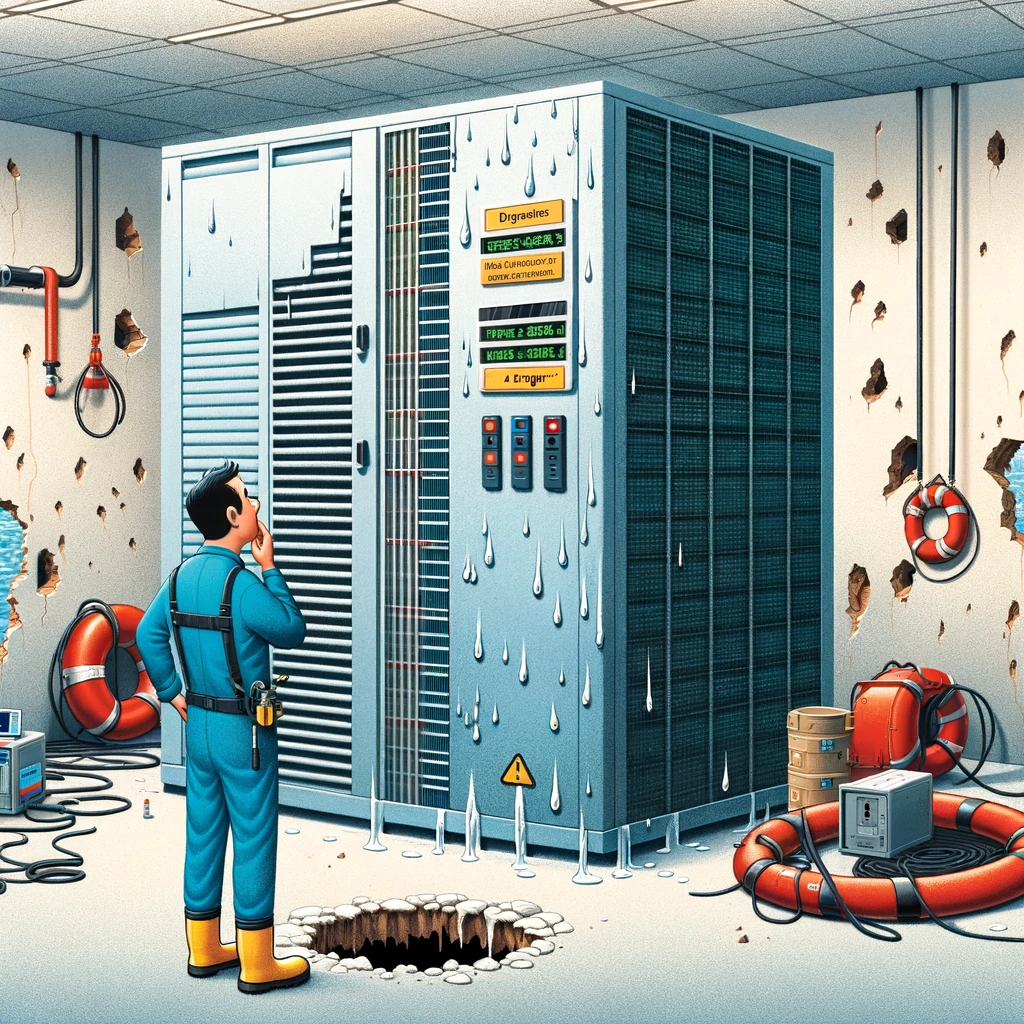
Just when we thought our datacenter had seen it all—floods, power outages, and unexpected shutdowns—fate decided to throw us yet another curveball. This time, our adventure begins not with water, but with its absence, and the unwelcome heat it brought with it.
On a day that boasted perfect weather, making any excuse to step outside welcome, an alert from the datacenter reached the local fire department. Yes, the very same datacenter that had previously enjoyed an impromptu dousing. The issue at hand? An air conditioning unit sending out SOS signals, unable to keep the growing warmth at bay.
Good morning, this is the Fire Brigade. Just thought you'd like to know your data center's fire extinguishing system decided to throw a party without you
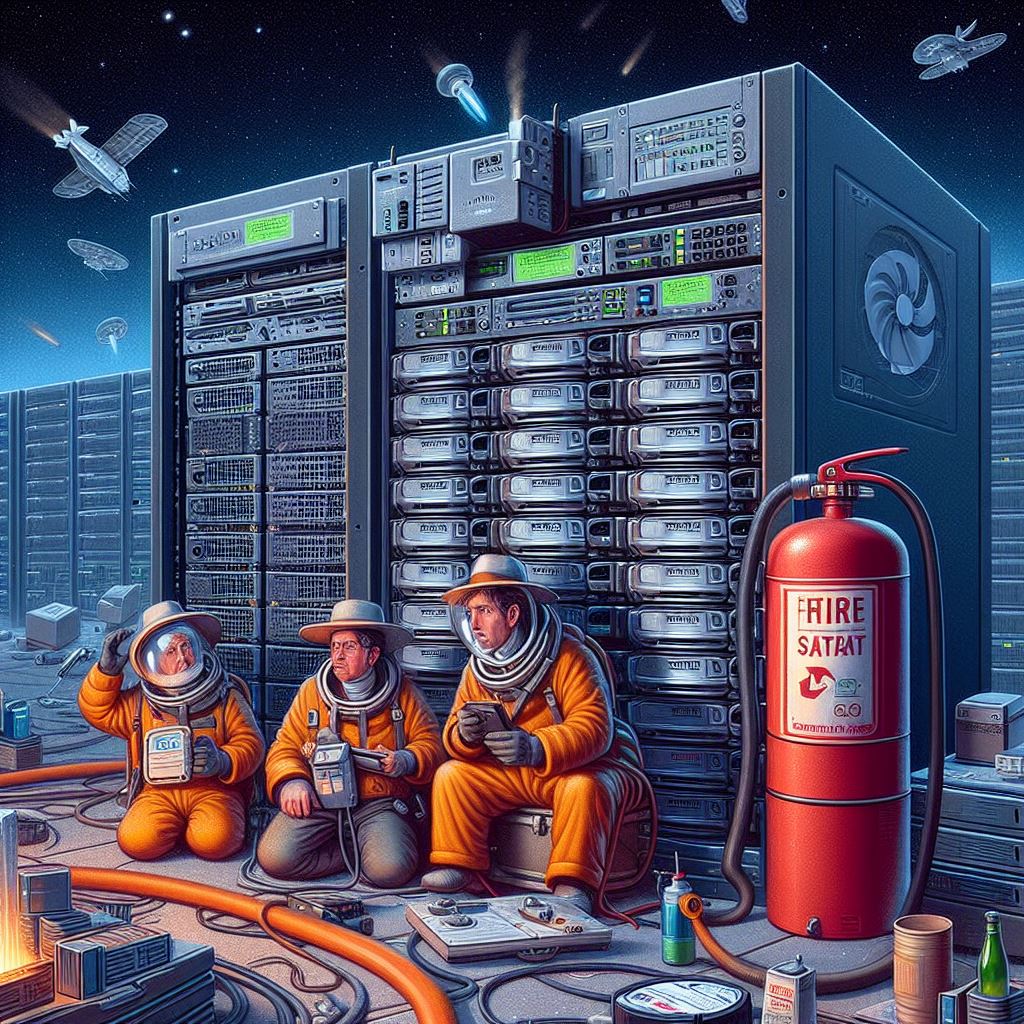
Oh, and we broke your door. Have a nice day!
So begins our tale of technological turbulence and unexpected pyrotechnic performances in the least likely of places: nestled within the secure, usually uneventful confines of a data center, which, in a twist that might make you snort your morning tea, was situated on fire department property.
The Day Silence Fell Over the Datacenter: A Lesson in Expectation vs. Reality
About a year after the infamous water saga that had our datacenter swimming in unexpected ways, calm had finally returned. Or so we thought. With the resilience of seasoned IT warriors, we moved on to tie up the last few loose ends. Among these was integrating the emergency power generator with our newly renovated building—a task that sounds as straightforward as a Sunday morning.
From Data Floods to Dining Showers: The Sequel No One Asked For

In the serene aftermath of our datacenter’s unexpected baptism, confidence was high. The building had been rejuvenated, our equipment upgraded. Surely, we had weathered the worst. Yet, as fate would have it, Murphy wasn’t quite done with us. Tucked neatly in his pocket was another curveball, ready to be thrown our way.
A few months down the line, just as the memory of indoor rain started to fade, the weekend peace was shattered. A distress call about a leak—this time in the restaurant, and yes, once again from the ceiling. Déjà vu? Possibly. A new adventure? Definitely.
High Above, Closer to the Edge: The Broadcast Tower Blaze and the Datacenter That Lived to Tell
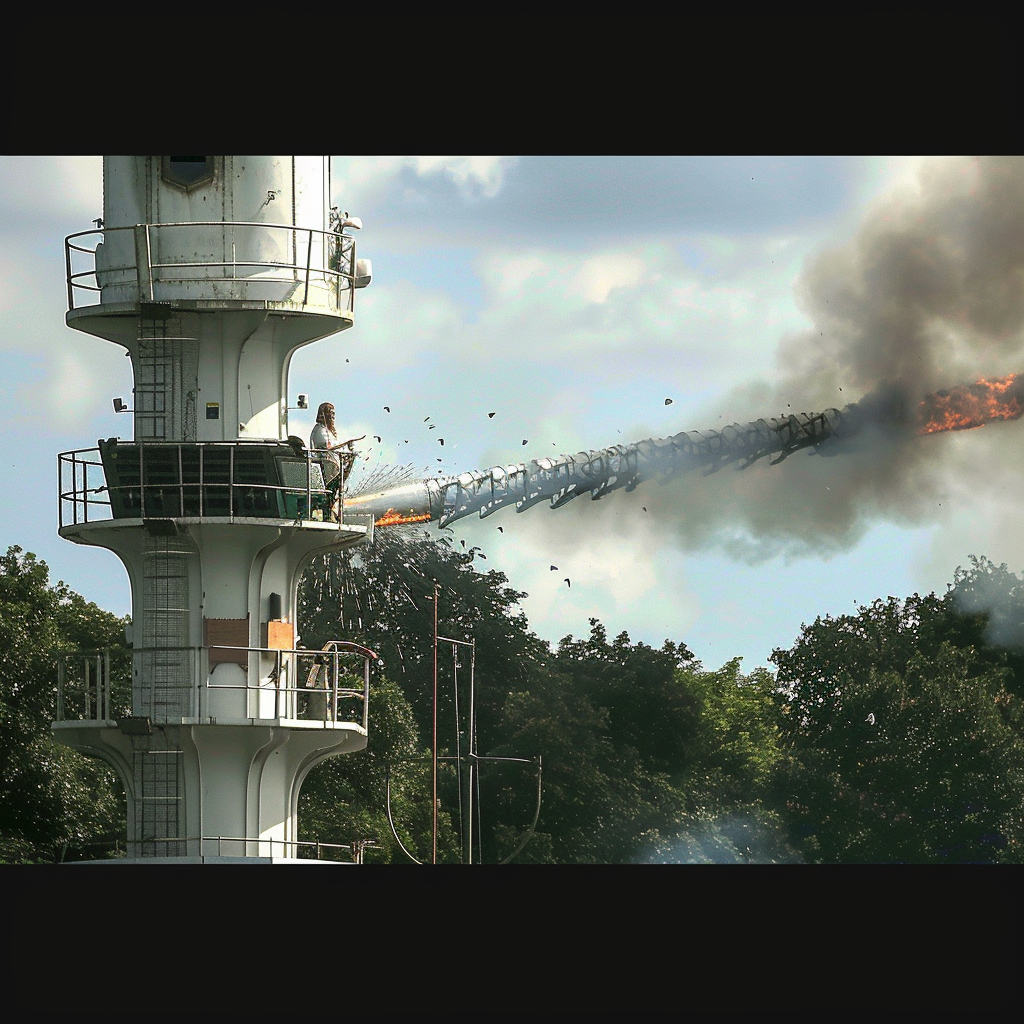
You wouldn’t believe it, but as you know, misfortune never comes alone, and it seems Murphy has a firm grip on Kelvin’s laws. Did you read the story “When the Storm Hit: A Datacenter’s Battle Against Heat and Nature”? That organization had a second datacenter located in a radio/TV broadcast tower.
Choosing such a location might seem like the epitome of safety and continuity—high above any potential floodwaters and built for 24/7 operation (since these towers also transmit civil alarm messages). It sounded like the perfect spot for a secondary data center, offering optimal security.
When It Rains, It Pours: The Unexpected Deluge in Datacenter Diaries
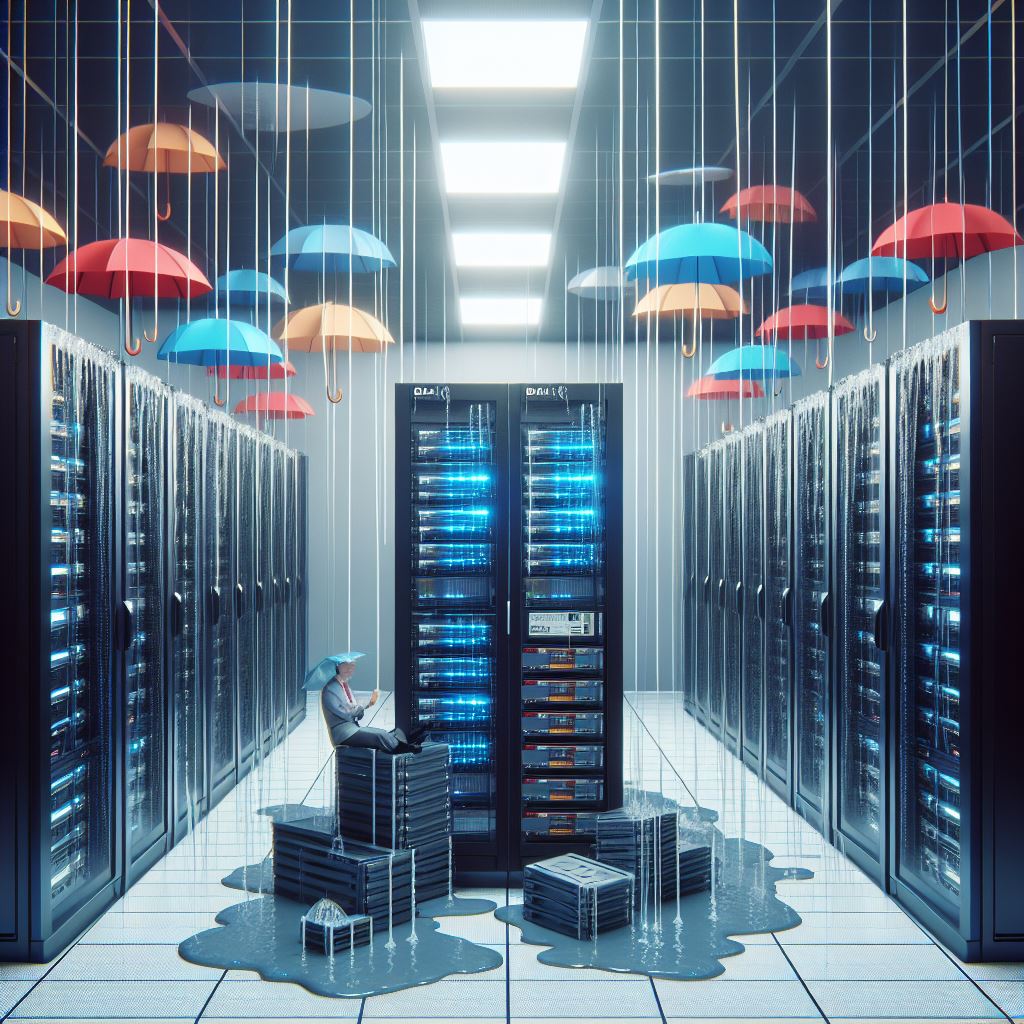
In the world of tech, where data is the new gold, safeguarding it becomes a tale of irony and unexpected showers. Picture this: a freshly renovated building, proudly housing a new datacenter on the first floor—safe from the perils of flooding, one might presume. After all, “high and dry” is not just a state of mind when you’re above ground level, right?
When the Storm Hit: A Datacenter's Battle Against Heat and Nature
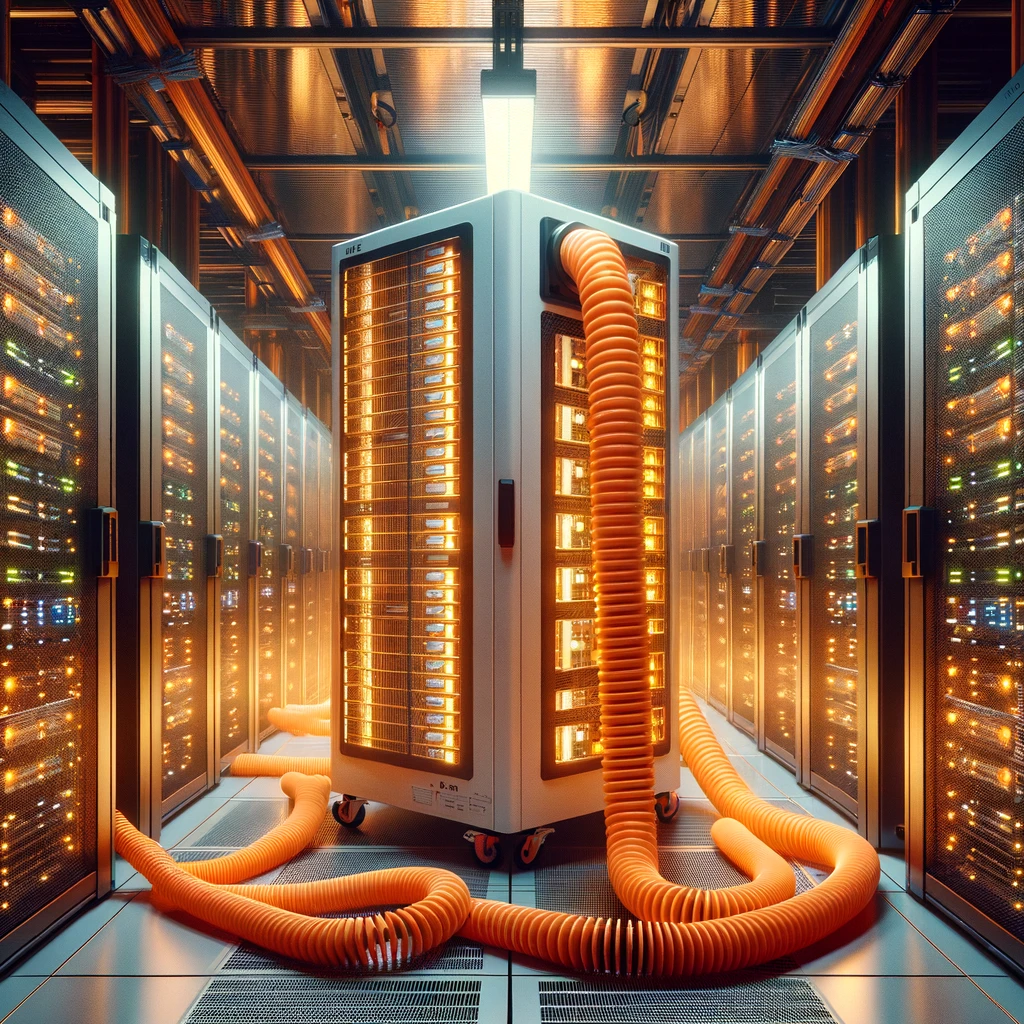
In a tale that pits technological resilience against the unpredictability of nature, our story unfolds within the confines of an organization’s primary datacenter. The saga began with what appeared to be a routine hiccup: a malfunction in the cooling system. In the world of IT, such issues are typically dispatched with swift efficiency by the building’s management team and their technical experts. The initial remedy seemed simple enough—open the doors and windows, letting the natural breeze work its magic. However, the plot thickened with the realization that crucial replacement parts were required—a challenging prospect amidst the logistical nightmares of the coronavirus pandemic.