Food and your Health
From Cigarettes to Candy Bars: How Big Tobacco Hooked Us on Junk Food

In the 1980s and 1990s, major tobacco companies like Philip Morris and R.J. Reynolds diversified into the food industry, acquiring brands such as Kraft, General Foods, Nabisco, and Hawaiian Punch. This strategic move allowed them to apply their expertise in creating addictive products to the food sector, leading to the proliferation of hyper-palatable foods—items engineered with high levels of sugar, fat, and salt to enhance taste and encourage overconsumption.
Ultra-Processed People: Dr. Chris van Tulleken’s Eye-Opening Exposé on What’s Really in Our Food

In his new book, Ultra-Processed People, Dr. Chris van Tulleken—the renowned infectious diseases doctor and BBC broadcaster—delves into a global issue that’s both insidious and deeply personal: ultra-processed food (UPF). From his years of medical training at Oxford to his groundbreaking research on corporate influence over child nutrition, van Tulleken has long been fascinated by the ways industries shape human health. And in Ultra-Processed People, he explores how UPF is damaging not only our bodies but also our planet.
AG1 – The Rise, the Hype, and the Untold Story of Its Founder

If you’ve listened to just about any podcast lately, you’ve probably heard about a certain green smoothie powder that claims to be a one-stop shop for all your nutrient needs. AG1 (formerly Athletic Greens) has taken the wellness world by storm, backed by some of the most recognizable names in science communication—think Andrew Huberman, Peter Attia, and just about every wellness influencer with an affiliate link. It promises simplicity: one scoop, one drink, all your vitamins, minerals, and more. For $3 a day, it’s marketed as an easy, delicious solution to fill any nutrient gaps in your diet.
The Hidden Truth Behind Processed Meat: Why Is Ham Pink and What Aren’t They Telling Us?

We see it everywhere: bright pink ham slices, perfectly packaged, marketed as a safe and tasty snack for kids and adults alike. But how did we end up believing that processed meats are healthy or even necessary? And what’s behind that appealing pink color? A recent investigation uncovers disturbing truths about the food industry, revealing how lobbying and strategic manipulation have shaped public perception—and policy—on processed meats.
Dark Calories & Toxic Oils: What’s Really Hiding in Your Food?
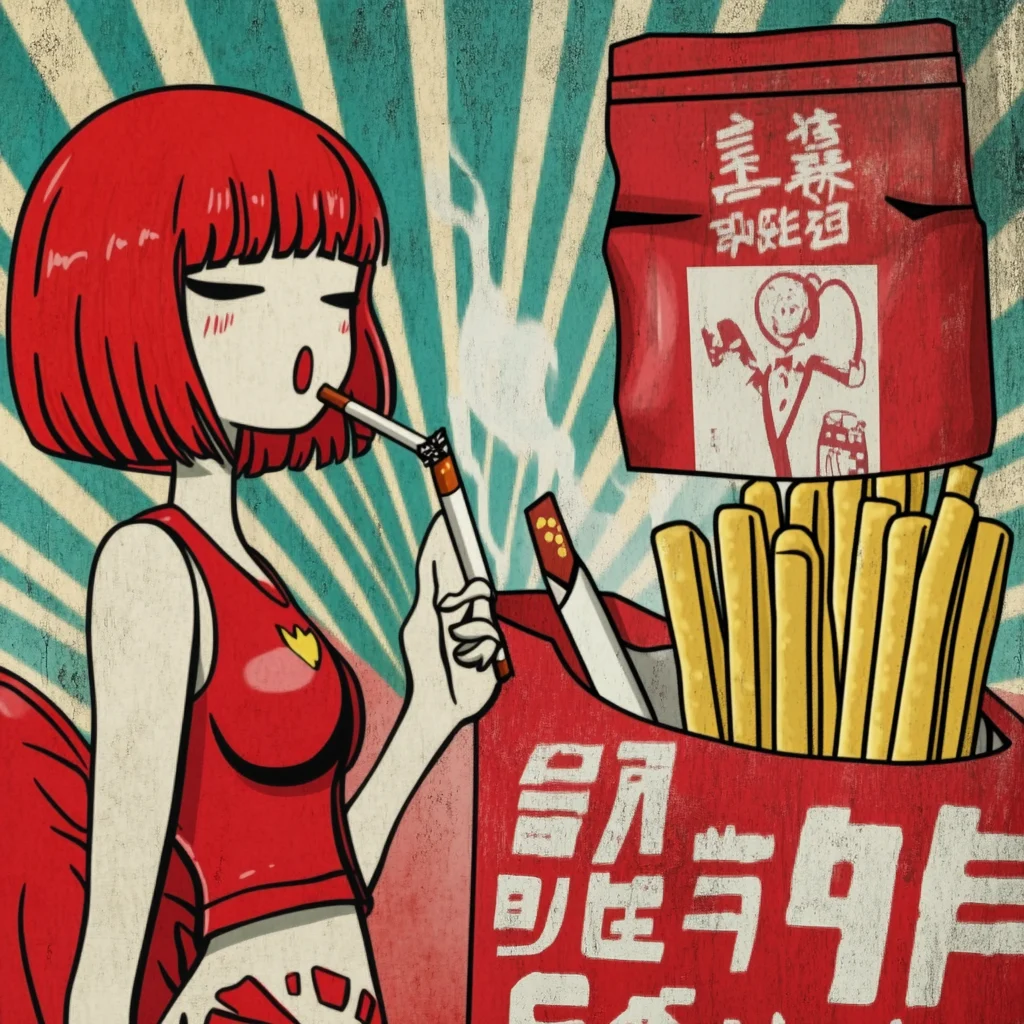
When it comes to what’s on our plates, there’s more going on than meets the eye. You’ve probably heard about calories, carbs, and fats, but terms like dark calories and the hidden dangers of seed oils might be less familiar. Today, we’re uncovering what these mean—and why it matters for your health.
What Are “Dark Calories”?
“Dark calories” might sound mysterious, but they’re actually pretty simple to understand. These are calories that come from food with little to no nutritional value. Think of sugary drinks, candy, chips, or highly processed snacks. They give you energy (calories), but they don’t come with essential vitamins, minerals, or nutrients that your body actually needs to function well.
Industry Playbook: Health or Hype?
The food industry knows how to play the game. Slick marketing, feel-good slogans, and carefully crafted buzzwords all create an illusion of health that’s hard to resist. Labels like “all-natural,” “low-fat,” and “organic” are thrown around liberally, but how often do we stop to question what they truly mean?
With every grocery store visit, consumers are nudged toward choices that are less about nourishment and more about padding the bottom line of corporations. Meanwhile, behind closed doors, powerful players in the food, pharma, and regulatory sectors often share a common goal: profit first, health second (or third, or fourth).
The Great Food Fraud: What the Industry Doesn't Want You to Know
If you think you’re well-informed about what’s healthy and what’s not, think again. This blog dives into a world of food fraud and industry deception—a world where the fine print is written in dollar signs rather than in truths about health. Here, you’ll find links, insights, and real-world examples of how the food industry, governments, and even pharmaceutical giants have, for decades, prioritized profit over public health.